Queer Places:
Standish House, John Martin Gdns, Stonehouse GL10 3WB, United Kingdom
Hadspen Estate, Bruton, Castle Cary BA7 7NG, United Kingdom
St Leonard Churchyard, Church Lane, Pitcombe, Bruton BA10 0PE, United Kingdom
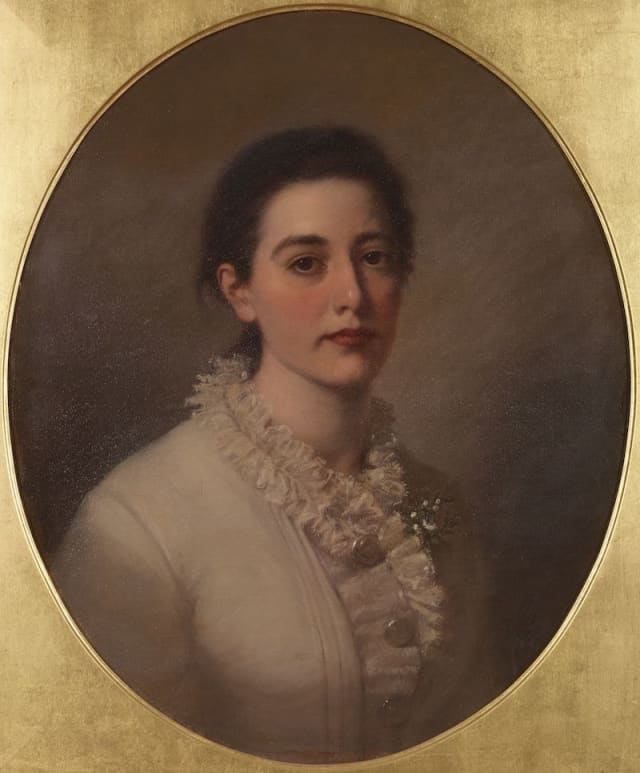 Margaret Heyworth Potter Hobhouse (July 1854 – March 16, 1921) was born in July 1854, the seventh of the nine daughters (Lawrencina,
Catherine, Georgina,
Blanche, Theresa,
Mary, Beatrice,
Rosalind) of businessman and industrialist Richard Potter and Lawrencina Heyworth. Growing up across comfortable
family estates like Standish House in Gloucestershire, she developed a lifelong passion for horticulture, country life, and landscape design.
Margaret Heyworth Potter Hobhouse (July 1854 – March 16, 1921) was born in July 1854, the seventh of the nine daughters (Lawrencina,
Catherine, Georgina,
Blanche, Theresa,
Mary, Beatrice,
Rosalind) of businessman and industrialist Richard Potter and Lawrencina Heyworth. Growing up across comfortable
family estates like Standish House in Gloucestershire, she developed a lifelong passion for horticulture, country life, and landscape design.
In October 1880, she married Henry Hobhouse (1854–1937), a prominent Liberal politician and Member of Parliament. The couple settled at the Hadspen Estate in Somerset,
where Margaret dedicated over four decades to transforming and expanding the estate's extensive gardens, designing naturalistic rockeries, introducing exotic plant
collections, and overseeing architectural layout expansions.
Alongside her domestic life and involvement in local administration and social reform, Margaret raised a family of several children, including peace activist and author
Stephen Hobhouse. During World War I, her life was deeply impacted by wartime tragedy: her eldest son Stephen was imprisoned and subjected to hard labor as an "absolutist"
conscientious objector. Margaret mounted a formidable and ultimately successful public campaign that secured the release of him and other conscientious objectors. Shortly
thereafter, she suffered the loss of her youngest son, Paul, who was killed in action in France in 1918. Margaret spent her final years at Hadspen before her death on
March 16, 1921.
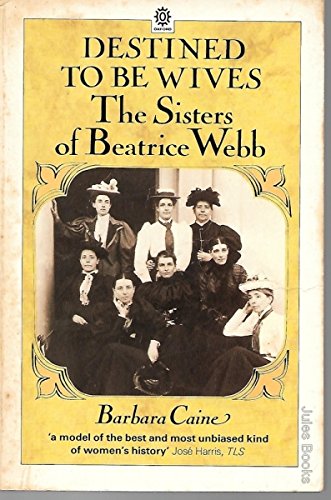
Margaret and her eight sisters (including the noted social reformer and economist Beatrice Webb) belonged to a remarkable sibling group widely analyzed in 20th-century
gender and social history. As explored extensively by historians such as Barbara Caine in Destined to be Wives: The Sisters of Beatrice Webb, the Potter sisters grew up
navigating the strict expectations of Victorian womanhood.
While many of the sisters entered conventional marriages—with Margaret marrying Henry Hobhouse—they continually pushed against traditional domestic boundaries through
intellectual pursuits, public administration, social reform advocacy, and professional ambitions. Within elite 19th-century female circles of the era, women frequently
explored intense emotional bonds, non-traditional domestic and intellectual partnerships, and deep same-sex friendships that challenged the rigid confines placed upon female
autonomy and emotional expression by Victorian society.
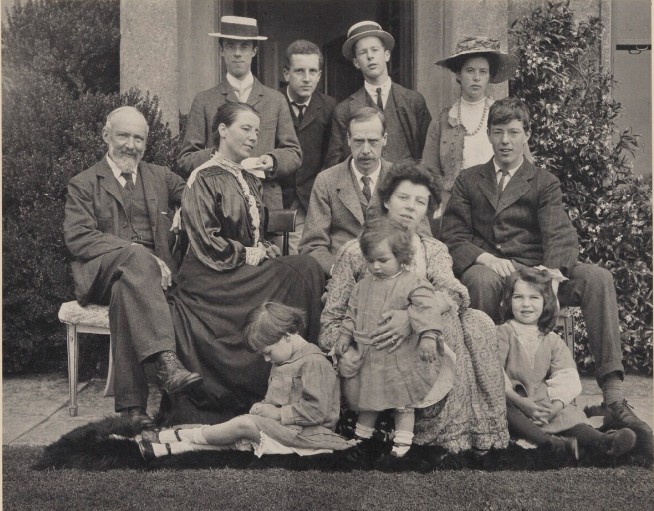
Group photograph of the Hobhouse family with children and in-laws. by Unknown photographer, carbon print, 1910, Given by Lady Clay, 1957, Photographs Collection, NPG x32107
References:
Other references:
- The Henson Journals (Durham University) – Biographical records for Margaret Heyworth Hobhouse [née Potter].
- The Newt in Somerset – Historical archive journals and records regarding the Hadspen Estate and Margaret Heyworth Potter Hobhouse's life and gardens.
- Wikipedia – Henry Hobhouse (East Somerset MP) and Stephen Hobhouse biographical entries regarding family genealogy and historical context.
Support this project
This website is a passion project researched, developed, and funded entirely by me. If you find the content valuable and would like to help support the ongoing research and hosting costs, any contribution is deeply appreciated.
Thank you for keeping this independent resource alive!
My books on Amazon: Elisa Rolle's books
BACK TO HOME PAGE